Design che regge nel tempo.
Un buon design non è decorazione. Sono decisioni, prese insieme a te.
Quattro fasi, ognuna validata prima di investire nella successiva — su un canvas condiviso, nel tuo flusso di lavoro, non dietro le quinte.
Design, fatto insieme a te
Non spariamo per poi tornare con un grande reveal. Lavoriamo su un canvas condiviso, nel tuo flusso di lavoro, così il prodotto prende forma intorno a come operano davvero il tuo team e i tuoi utenti.
Ricerca
Prima le interviste, i flussi e i veri casi limite — così ogni decisione a valle poggia su evidenze, non su opinioni.
Struttura
Architettura dell'informazione e percorsi prima di una singola schermata. Imposta bene lo scheletro e l'interfaccia quasi si disegna da sola.
Design orientato ai risultati
Il bello è il minimo. Progettiamo verso il numero che conta — iscrizioni, attivazione, retention — e verifichiamo se il lavoro l'ha davvero spostato.
Testiamo prima di costruire
Prototipi cliccabili ad alta fedeltà davanti a utenti reali — così le scelte costose si fanno presto, quando sono ancora economiche da cambiare.
Cosa progettiamo.
CompetenzeUX research
Interviste, journey mapping e usability testing che trasformano le assunzioni in evidenze — così progettiamo per come le persone si comportano davvero, non per come vorremmo.
Design system
Librerie di componenti con token, stati e regole integrati. Un'unica fonte di verità che tiene design e codice allineati mentre il prodotto cresce.
UI design
Interfacce con un punto di vista — tipografia, motion e gerarchia curati, che rendono un prodotto naturale da usare e inconfondibilmente tuo.
Prototipazione
Prototipi cliccabili ad alta fedeltà che si comportano come la cosa vera, così puoi testare i flussi e ottenere consenso molto prima che inizi lo sviluppo.
Audit di design
Una revisione strutturata di un prodotto esistente per individuare dove gli utenti fanno fatica, poi un piano prioritizzato per sistemare le parti che spostano di più l'ago.
Dal design allo sviluppo
Poiché i nostri designer e sviluppatori lavorano insieme, i design vengono realizzati fedelmente — nessuna qualità persa in un passaggio di consegne tra due fornitori separati.
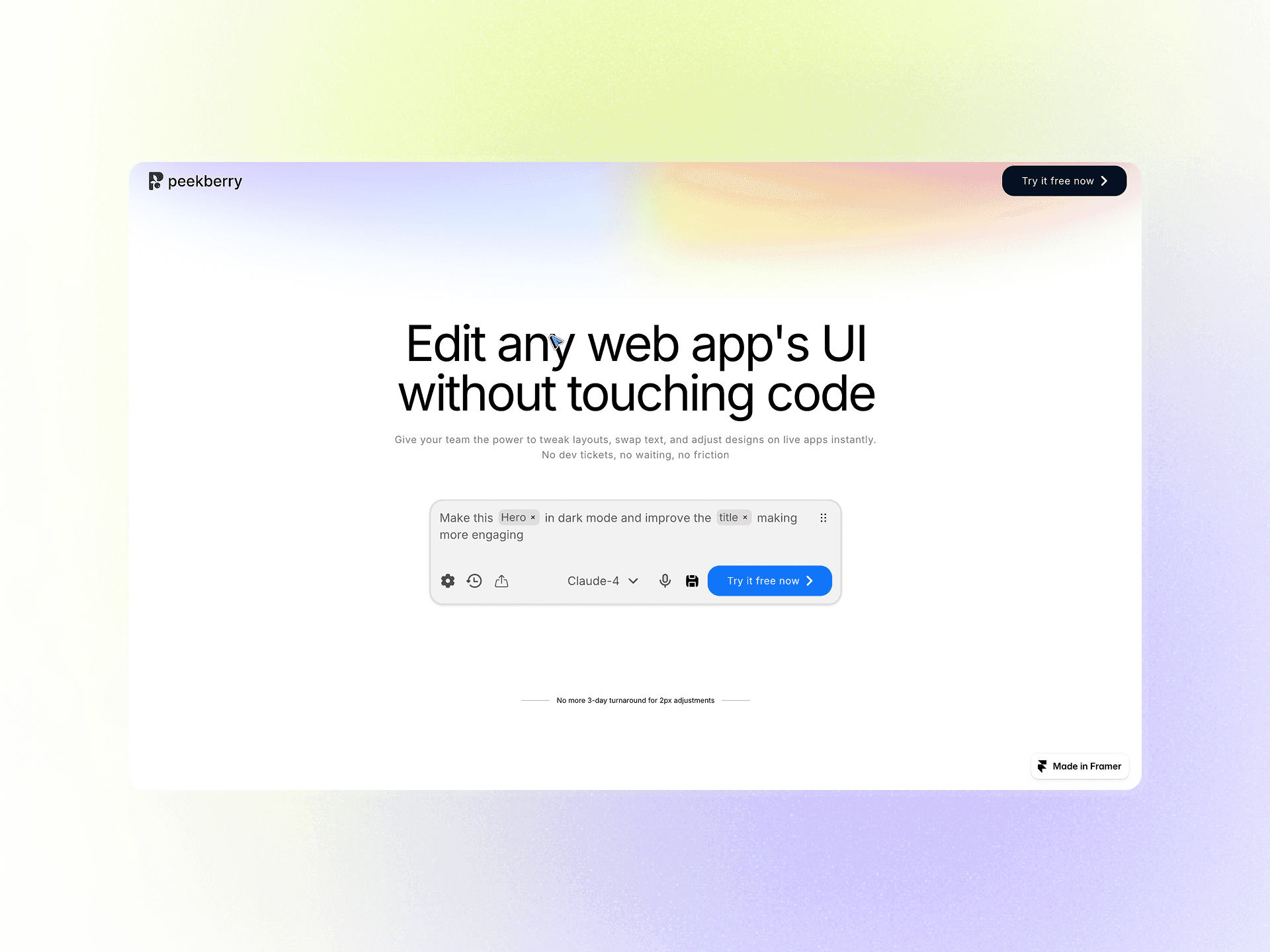
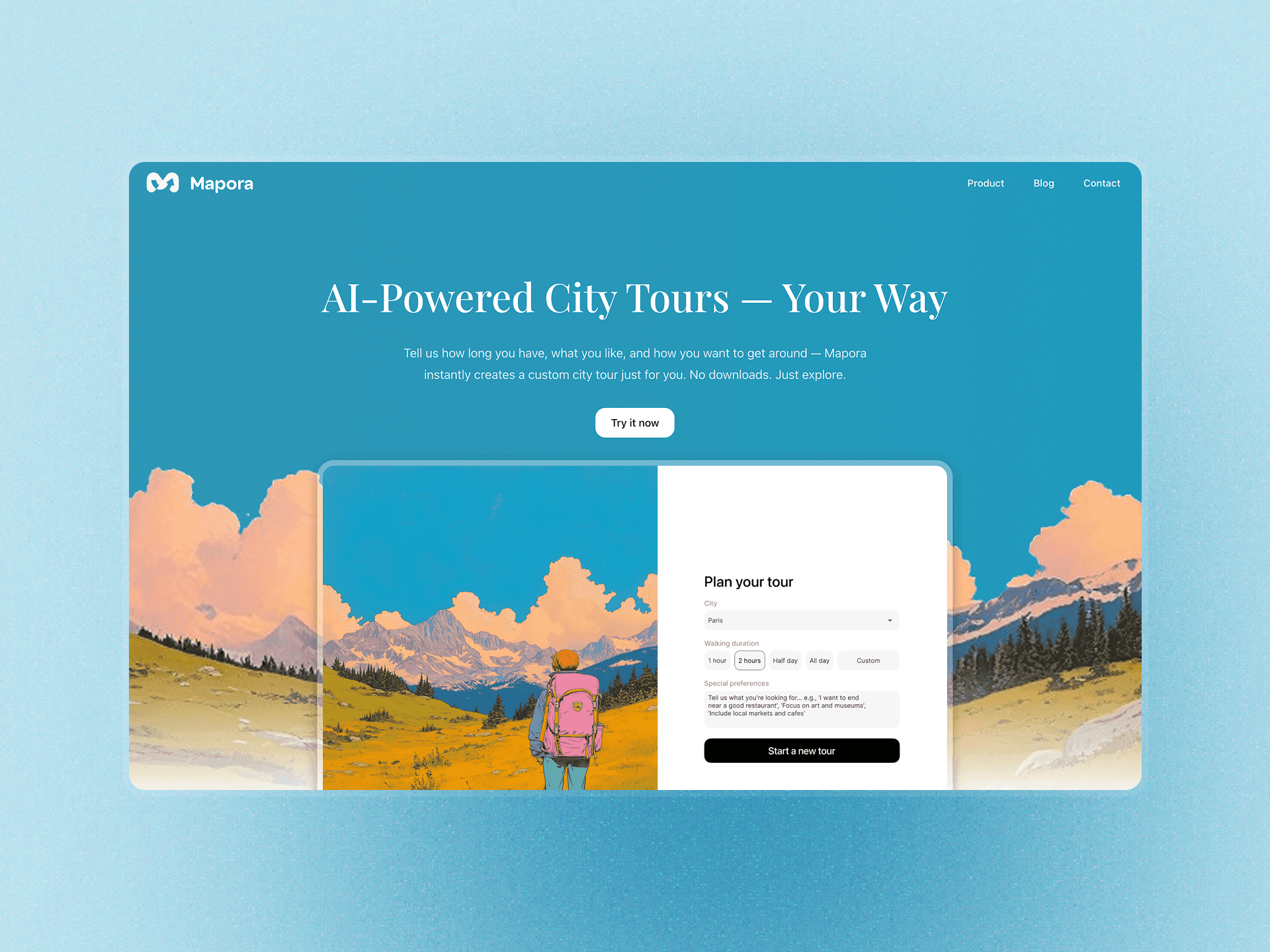
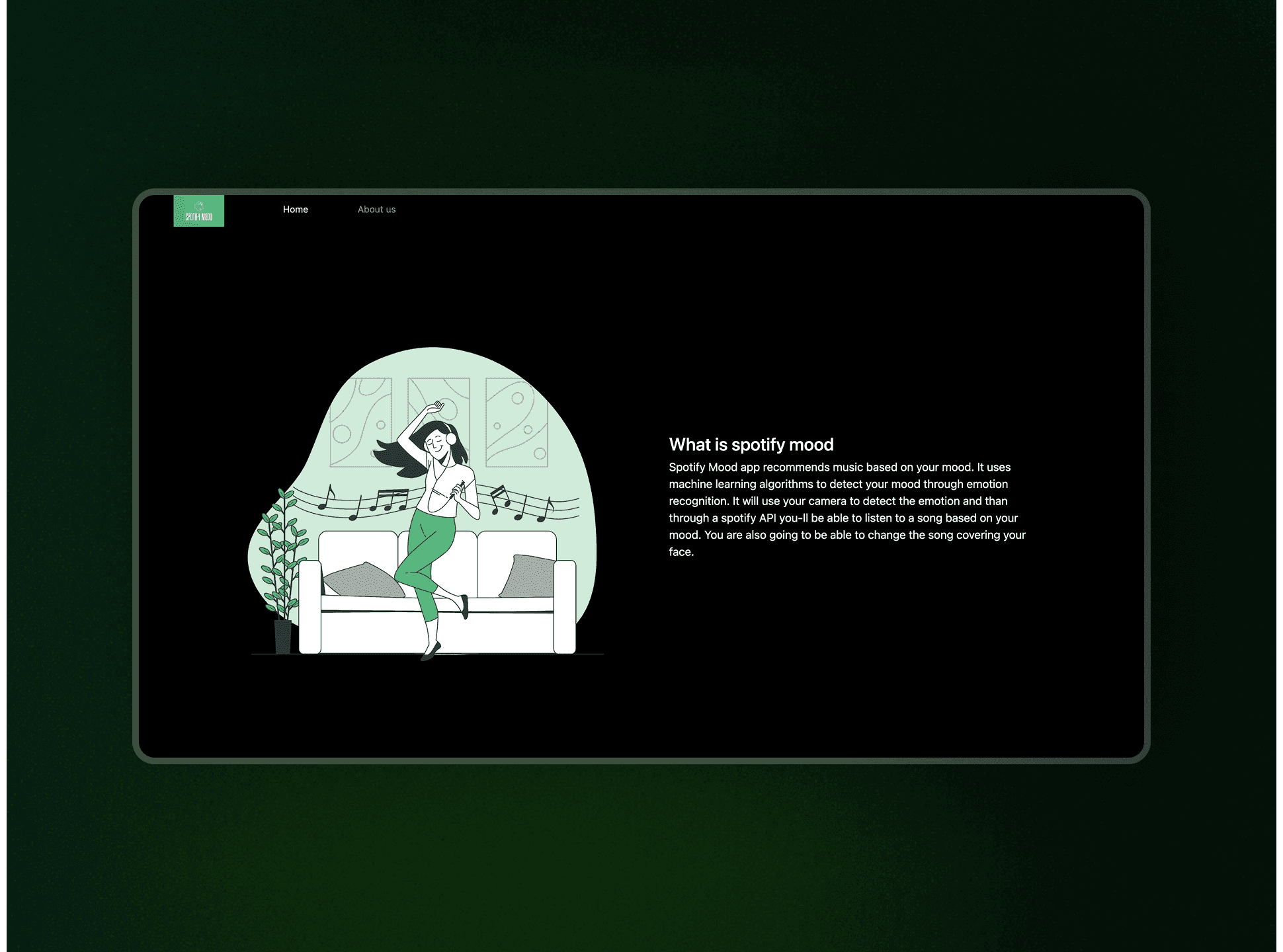
Design sul campo
Domande? Risposte.
Se la tua non c'è, scrivici.
È il nostro punto forte. Trasformiamo un'idea grezza in un design validato e in un MVP snello — la cosa più piccola che dimostra il concetto con utenti reali — poi iteriamo da ciò che impariamo invece di tirare a indovinare. Design e sviluppo restano sotto lo stesso tetto, così nulla si perde in un passaggio di consegne.
Partiamo dal problema e dalle persone che usano il prodotto, non dai pixel. Prima vengono ricerca e flussi, poi il design dell'interfaccia, poi prototipi ad alta fedeltà su cui puoi davvero cliccare — ogni passo validato prima di investire nel successivo.
Entrambe le cose, ed è questo il punto. Poiché i nostri designer e sviluppatori lavorano fianco a fianco, i design sono ancorati a ciò che è realizzabile e il prodotto finale resta fedele alla visione — non perdi qualità nel passaggio di consegne tra due fornitori separati.
Spesso sì. Facciamo audit di design e revisioni di usabilità per individuare dove gli utenti fanno fatica, poi riprogettiamo le parti che contano di più. Di solito è più veloce e meno rischioso di una ricostruzione completa, e saremo onesti su quando un nuovo inizio è davvero giustificato.
Di solito un prototipo cliccabile, un design system basato su componenti e specifiche pronte per gli sviluppatori — tutto ciò che serve a un team di sviluppo per implementare il design senza indovinare. Se lo costruiamo anche noi, quello stesso sistema passa direttamente nel codice.